

Bolts, latches and what actually holds the door
Latch: the angled spring-loaded tongue in a knob or lever set. It slides in as the door closes and springs out to hold the door in place. A latch keeps a door shut against wind and casual pushing, but it is not designed to resist force, and a thin tool slipped into the gap can sometimes push it back.
Deadbolt: a solid bolt that slides into the frame and stays there until moved by a key or thumbturn. It has no spring, so it cannot be pushed back by pressure. A deadbolt is the lock that provides real resistance on most entry doors, which is why homes usually have one in addition to the knob.
Throw: how far the bolt extends beyond the door edge when locked. A longer throw reaches deeper into the frame and resists forced entry better. One inch is a common target for exterior doors.
Bolt and latch together: many doors have both, one above the other. The latch does the daily work of holding the door closed, while the deadbolt does the security work. Knowing which one is failing helps a locksmith diagnose a problem faster.
Spindle and cam: inside a knob set or cylinder, the spindle is the small shaft that links the handles, and the cam is the part at the back of a cylinder that actually moves the bolt or latch when the key turns. When someone says the key turns but nothing happens, a broken cam or spindle is a likely cause.
Strike plate, jamb and the frame side
Strike plate: the metal plate on the door frame where the bolt or latch lands. The hole in the plate receives the bolt. Thin plates attached with short screws are a common weak point, and replacing them with a heavier version and long screws is a worthwhile improvement.
Jamb: the vertical wood or metal members of the door frame. The strike plate attaches to the jamb on the latch side, and the hinges attach on the other. A cracked or rotted jamb undermines even the best lock, and rot is a real risk in the humid climate of the Gulf Coast.
Reinforcement plate: a metal piece that wraps the door edge or the jamb to strengthen the area around the lock. It spreads the force of a kick or shove across a larger section of wood. These are sold in kits and can be added to existing doors.
Door stop: the thin strip of wood or metal on the frame that the door rests against when closed. It looks decorative but it matters. A stop that is too thin or worn lets the door flex, and a stop that is badly placed can prevent the bolt from aligning.
Shim and spacer: thin pieces of material placed behind a hinge or strike to correct small alignment problems. A door that sags or a bolt that just misses its hole can often be corrected with a shim rather than a new lock. It is a modest fix that solves a surprising number of complaints.
Cylinder, pins and the key interface
Cylinder: the part of the lock that accepts the key. Inside it are small pins or wafers that must be lifted to the right heights for the cylinder to turn. The cylinder is the piece that is usually rekeyed or replaced while the rest of the lock stays in place.
Pin tumbler: the most common cylinder design. Stacks of small pins held by springs block the cylinder from turning until the correct key lifts each stack to the shear line. The design is simple and effective, and many quality variations exist.
Shear line: the gap between the rotating cylinder core and the housing. When the key lifts all the pin stacks so their gaps align at the shear line, the core can turn. Picking and bumping attacks aim at that alignment.
Keyway: the shaped opening of the cylinder. Its profile determines which keys fit. A restricted keyway limits blank availability, which makes casual copying harder for anyone.
Master pin and driver pin: in a pin stack, the driver pin is the upper pin pushed by the spring, and a master pin is an extra layer that allows a second key to open the same lock. Master pinning is how building master key systems work, and it slightly changes how resistant a cylinder is to picking.
Rekey, replace and re-pin
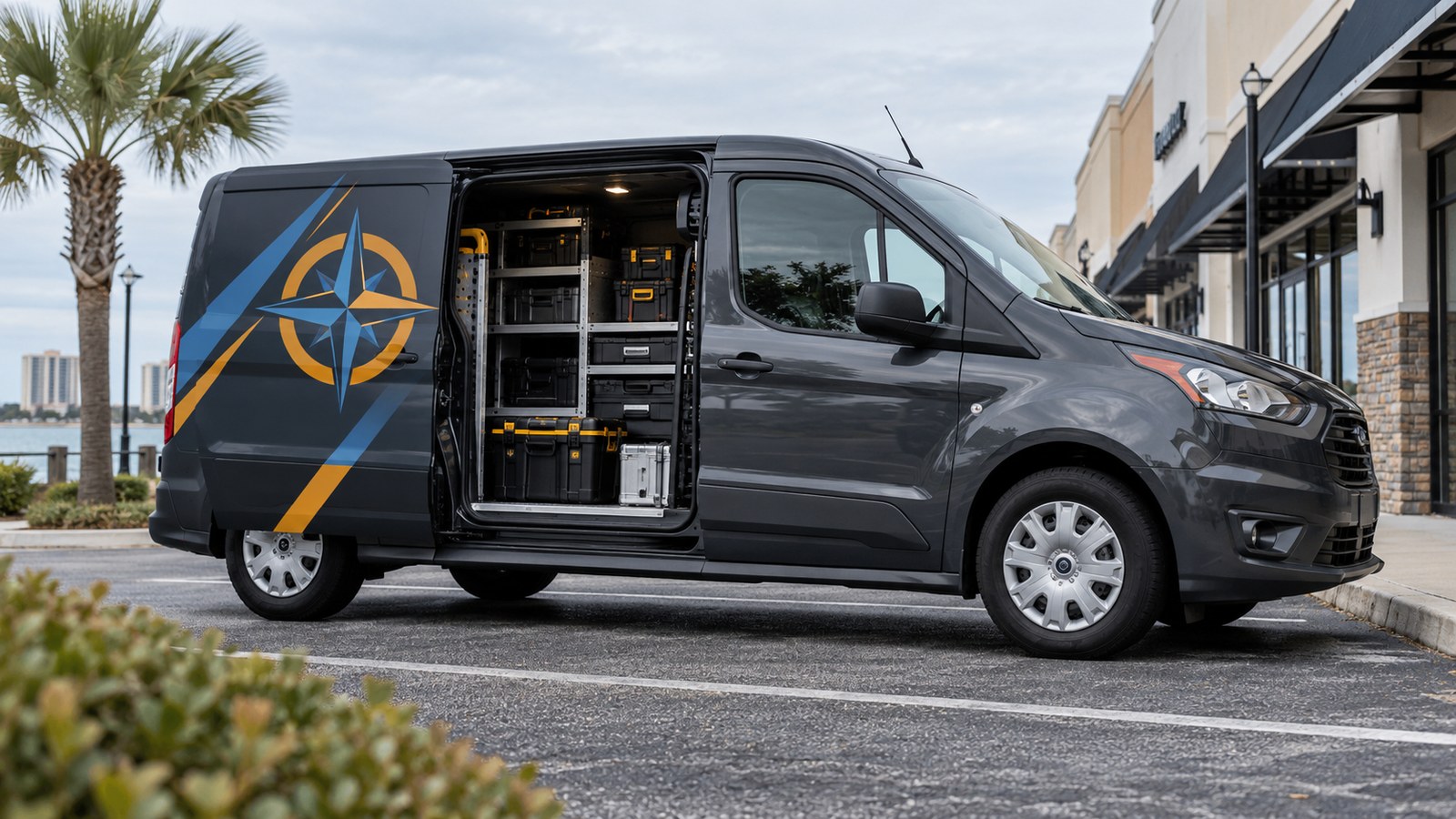
Rekey: changing the internal pins of a cylinder so that a different key fits and the old key no longer works. The lock body stays installed. Rekeying is a common response to moving into a new home, losing a key or ending a tenant's stay, and it is usually simpler than replacing hardware.
Re-pin: the hands-on process of removing the pins and installing new ones to match a new key. Rekeying is carried out by re-pinning. Technicians may also combine several locks onto one key, so you carry a single key for the front and back doors.
Replace: swapping the entire lock for a new one. This makes sense when the lock is worn, damaged, low quality or the wrong type for the door. Replacement also gives an opportunity to upgrade grade, finish or features.
Keyed alike: several locks set to use the same key. It is convenient for households and small businesses but means that one lost key affects all those locks. Keyed different means each lock has its own key. Which to choose depends on how you live and how many keys you want to carry.
Deadlatch: a latch with a small extra plunger that prevents it from being pushed back once the door is closed. It improves the security of a knob or lever set without adding a separate deadbolt. Many modern entry sets include one, although it is not a replacement for a true deadbolt.
Types of locks by design
Knob or lever set: the handle that operates the latch. A lever is easier to use with full hands or limited grip and is common in commercial settings. Both can have a keyed cylinder in the handle, though the deadbolt remains the main security feature.
Mortise lock: a lock body set into a pocket cut in the edge of the door. It is common in older homes, historic buildings and many commercial doors. Mortise locks are sturdy and long lasting, and they have their own parts and sizes, so replacement parts must match.
Rim lock: a lock mounted on the surface of the door instead of inside it. Rim locks often supplement an existing lock on historic or unusual doors where drilling is undesirable. Some use a drop-in bolt that secures the door to a bracket on the frame.
Padlock: a portable lock with a shackle that passes through a hasp or chain. Padlocks vary enormously in quality, and the body and shackle material matter. Salt air can corrode cheap padlocks fast, so coastal use calls for weather resistant models.
Escutcheon: the decorative plate around a keyhole or handle. It hides the hole cut in the door and can protect the lock from tampering. In older houses, escutcheons can be ornate and hard to replace, which is a reason to repair rather than swap hardware.
Terms for fitting and measurement
Backset: the distance from the door edge to the center of the lock hole. The two most common values are two and three eighths inches and two and three quarters inches. Many locks adjust between them. Measuring before buying avoids a lock that does not fit.
Bore: the large hole drilled in the face of the door for the lock body. The standard diameter is about two and one eighth inches. Edge bore is the smaller hole for the latch or bolt through the edge of the door.
Handing: the direction a door swings, described as left hand or right hand. Some levers are handed, which means they are made for one side. Getting the handing wrong is a frequent source of confusion when replacing hardware.
Door thickness: usually about one and three quarter inches for exterior doors. Thinner or thicker doors need adjustments or special parts. Old and historic doors in the Pensacola area may vary, so measure instead of assuming.
Hasp and staple: a hinged metal strap with a loop that fits over a staple, held by a padlock. Gates, sheds and storage units commonly use them. The hasp is only as strong as its screws and the surface it is attached to, so mounting matters as much as the lock.
Commercial and shared building terms
Master key system: a structure in which each lock has its own key but one master key opens many or all of them. It suits buildings with many users and one manager. It also adds risk, because a lost master key affects every lock, so control of the master is crucial.
Panic bar or crash bar: a horizontal bar on an exit door that opens when pushed, enabling people to leave quickly. It is common in public buildings and required in many settings by safety rules. Installing or changing such hardware follows its own regulations.
Electric strike: a strike plate that can release electronically, allowing a door to open remotely or by credential. It works with access control systems. It needs power and wiring, and it must be matched to the lock and door.
Door closer: a hydraulic or spring device that pulls the door shut. A closer that slams or fails to latch is a typical cause of lockouts and security problems in shops and offices. Adjusting it often fixes a door that would not stay closed.
Access control: any system that decides who may enter and when, using cards, codes or phones. A shop may use it to give staff different hours. It usually involves a controller, a reader and electric locking hardware, and requires planning for power loss and emergency exit.
Electronic and smart lock words
Keypad lock: a lock opened by entering a code. Many models still include a key cylinder as backup. Codes can be added or removed without making new keys, which suits households and rentals.
Smart lock: a lock with electronic features beyond a simple keypad, such as phone control, scheduling and activity logs. They depend on batteries and sometimes on wifi. They add convenience and a few new failure modes.
Fob or card access: a lock opened by presenting a small device to a reader. This is common in apartment complexes, offices and hotels. A lost card can usually be deactivated, which is an advantage over a lost metal key.
Override key: the mechanical key used when electronics fail. Keep it somewhere safe and known to you. Check it works before you need it.
Gummed lock: a lock clogged with old lubricant, dust and grime that has turned sticky. It feels rough and may fail to turn. A gentle cleaning with an appropriate product, followed by a light dry lubricant, often revives it. Avoid heavy household oil, which makes the problem worse.
Words about failure, wear and trouble
Binding: when a bolt or latch rubs against the frame, resisting movement. It often results from door sag or swelling in humid weather. Binding is a common reason a lock feels stiff, and the fix may be adjusting the hinges rather than touching the lock.
Seized or frozen lock: a lock that will not turn due to corrosion, dirt or damaged parts. Salt air and neglect are common causes. Dry lubricant sometimes frees a stiff lock, but a seized lock may need replacement.
Jam: a general word for a lock that will not move. It might be a bent key, a broken part or debris in the cylinder. Forcing a jammed lock usually makes things worse, so stop and call for help.
Broken key extraction: removing a snapped piece of key from a cylinder with specialized tools. Done carefully, it saves the lock. Done roughly, it damages the cylinder. Avoid pushing the piece further in.
Words about security and attack
Picking: manipulating the pins with tools until the cylinder turns, without the key. It requires skill and time, and better cylinders resist it. Locksmiths pick locks as part of lawful work, which is why authority is checked first.
Bumping: a technique that uses a specially cut key and a sharp tap to jolt the pins. Some cylinders are built to resist it. It is one reason cylinder quality matters.
Drilling: destroying a lock by drilling through its pins. It is a last resort in a lockout when other methods fail, and it ends with the lock needing replacement. Hardened inserts make drilling harder.
Forced entry: opening a door by force, such as kicking or prying. A reinforced strike, long screws and a solid frame make a large difference. These are the simplest and most effective upgrades for most homes.
How to use these words with a locksmith
You do not need to memorize any of this. When you call, describe what you see in your own words and let the technician translate. But knowing a few terms helps when you decide between rekeying and replacing, or when you hear that a strike or a closer needs attention.
If a term is used and you do not know it, ask. A good locksmith explains without condescension, and you are entitled to understand the job before it begins. Quotes are given by phone for straightforward work, and for complicated jobs the service call charge is explained before dispatch.
Ownership or authority is checked before opening, rekeying or programming locks, so have your identification and a connection to the property ready. With a little vocabulary and the right documents, the conversation becomes short, clear and useful, which is exactly what you want when a door will not cooperate.
Quick answers
What is the difference between a latch and a deadbolt?
A latch is a spring-loaded tongue that holds a door closed but can be pushed back with a thin tool. A deadbolt is a solid bar with no spring that stays extended until a key or thumbturn retracts it. The deadbolt provides the real resistance on an entry door.
What does rekeying mean?
Rekeying changes the pins inside a cylinder so a new key fits and old keys no longer work. The lock body stays on the door. It is a common response to moving in, losing a key or a change of tenants, and it is usually simpler than replacing the lock.
What is a strike plate and why does it matter?
The strike plate is the metal plate on the door frame that receives the bolt or latch. If it is thin or held by short screws, a kick can split the frame. A heavy strike with long screws into the framing is one of the most useful upgrades.
What is a mortise lock?
A mortise lock sits in a pocket cut into the edge of the door instead of in drilled holes. It is common in older homes and many commercial doors. It is sturdy but has its own parts and sizes, so replacements must be matched carefully.
What does keyed alike mean?
It means several locks are set to open with the same key. That is convenient, but a lost key then affects every lock in the set. Keyed different gives each lock its own key. Which suits you depends on how many keys you want to carry.