

The short version
A service call charge is the part of a locksmith's pricing that covers getting a technician to you and assessing the situation. It exists because every visit involves travel, equipment, and time before any lock is touched. It is separate from the work itself, though some businesses fold both into one total.
For straightforward jobs, the quote you receive by phone often covers everything, so you hear a single total and the term may not come up. For complicated jobs, where the work cannot be priced from a distance, a technician visits first, and the service call charge is explained before dispatch.
The important point is not the name but the clarity. You should know what you will pay for the visit, what you will pay for the work, and under what circumstances each applies, before anyone leaves for your location. This guide shows how to ask for that clarity.
No amounts appear on this page because they depend on the situation, and a fair figure comes from a conversation about your job. What we can do here is explain what the charge is for, so that you recognize an honest explanation when you hear one.
What the charge actually pays for
The first component is travel. A technician drives to you in a vehicle that carries tools, key blanks, locks, and equipment. Fuel, vehicle upkeep, and driving time are real costs, and they are the same whether the job takes five minutes or an hour once on site.
The second component is availability. A technician who heads to your address is not available for other jobs during that time. Taking a call and committing a technician to your location uses a slot that someone else might have wanted, and the charge reflects that commitment.
The third component is assessment. Even a simple job begins with looking at the lock, the door, or the vehicle, confirming what you described, and deciding the best approach. That professional judgment is part of what you are paying for, and it is what lets the technician quote the work accurately.
The fourth is readiness. The technician carries tools and parts so that many jobs can be completed on the first visit. Having that inventory and equipment ready is a continuing cost for the business, and it is part of why a visit is more than just labor.
- Travel to your location
- Committing a technician's time to your job
- Assessment of the lock, door, or vehicle
- Carrying tools and parts ready for the work
How it differs from the cost of the work
The cost of the work covers the actual tasks: opening a lock, rekeying, repairing, replacing hardware, cutting or programming a key. It depends on the type of lock or vehicle, the materials needed, and the time the work takes.
The service call charge covers getting there and assessing the situation. It does not usually change with the specific work, though it may vary with distance or circumstances. This is why you may see it listed as a separate line on a receipt.
Some businesses present a single total that includes both. This is fine as long as the total is clear and was agreed to in advance. Others list them separately, which can make the structure easier to see. Either approach works when it is explained.
Ask which approach the business uses. If a figure is described as the price, ask whether it includes the visit. If a figure is described as the service call charge, ask what the work will cost on top of it, and whether the charge is credited if you proceed.
When a service call charge applies
If the job can be quoted fully by phone, the quote typically includes the visit, and you will hear a single total. In that case, the service call charge is part of the quote, and you do not need to worry about it separately.
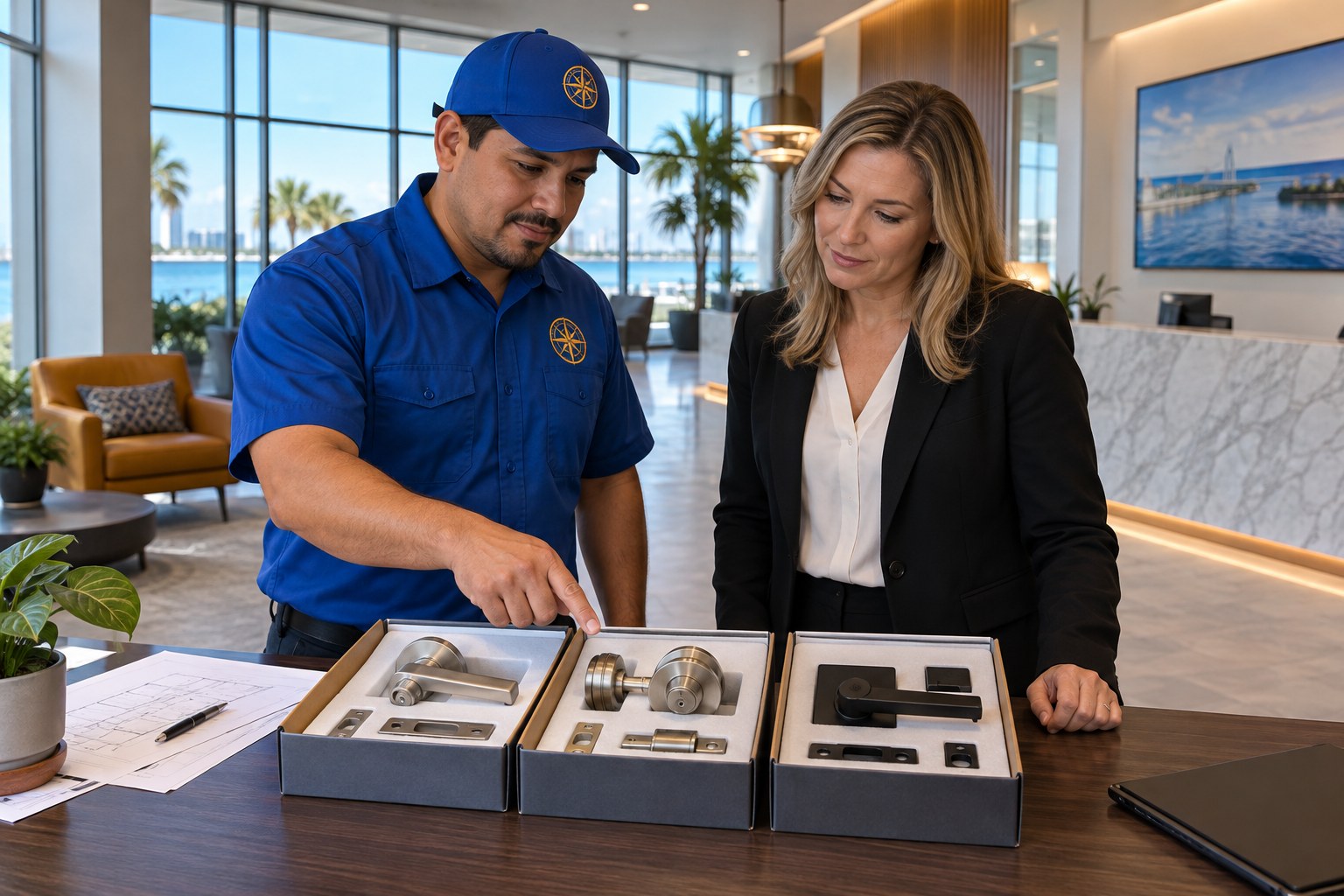
If the job is complicated, a technician visits first to assess. The service call charge applies to that visit. After assessment, you receive a quote for the work. You may then decide whether to proceed, and the visit is paid for either way, as explained beforehand.
If you cancel after the technician has been dispatched or has arrived, the business may charge for the visit that was made. A fair business explains this at the start, so you know what happens if your plans change.
If the technician cannot complete the job for reasons outside your control, such as a part that is not available, the business should explain what you owe and what the next step is. Ask about this possibility if the job seems uncertain.
What you should hear before dispatch
Before a technician is sent, you should hear what the service call charge covers, how it applies to your situation, and whether it is separate from the cost of the work. These are the basic elements of a clear explanation.
You should also hear what happens if you decide not to go ahead after the assessment. Do you owe the charge? Is any part credited toward the work? A clear answer prevents disputes.
You should hear how payment works: when it is due and which methods are accepted. Knowing this in advance avoids awkward moments at the door.
If any of these points are missing, ask. A polite request for details is reasonable. If the business is unwilling to explain, that is a sign to consider another provider.
Phone questions that make the charge easy to understand
What does the service call charge cover? Listen for travel, assessment, and the technician's time. A clear answer sounds specific and not defensive.
Is it separate from the cost of the work, or included in the total? If included, ask the total. If separate, ask the range of costs for the work and what could change it.
If I decide not to proceed after the technician looks, what do I owe? The answer should be consistent with what was said earlier. Write it down.
Who will explain the charge at the door, and will it be confirmed before work starts? The technician should confirm what was quoted and explain any changes before beginning.
Why some jobs need a visit first
Not every job can be priced accurately from a description. A door with unknown damage, a high security lock, a commercial system with many doors, or a vehicle with an unusual key situation may only become clear when someone looks at it.
Pricing blindly in such cases would mean guessing. A guess that is too low leads to surprises, and one that is too high leads to overpaying. A visit first gives a firm basis for the quote, and the service call charge pays for that assessment.
This approach is often fairer to the customer. You learn exactly what is wrong, what the options are, and what each costs, before choosing. You are not committed to the work until you agree to the quote.
Be wary of a provider who insists on a fixed total for a job that seems to need a look. It may be a way to get you to agree before the facts are known. A candid statement that a visit is needed is a sign of honest practice.
Vehicles
For a simple vehicle lockout, the quote by phone often covers the entire job, and the visit is part of the total. For key replacement or programming, the situation may be more involved, and the dispatcher may ask for details before quoting.
Where the situation is unclear, such as an unusual vehicle, a damaged lock, or a key that may need special equipment, a visit first may be needed. The service call charge covers the assessment, and you receive a quote for the key work after.
Ownership or authority is checked before opening or programming, so have registration and identification ready. If you cannot show these, the technician may not be able to proceed, and the charge for the visit may still apply as explained earlier.
Ask about timing for programming and parts. If something must be ordered, the technician explains what that means for the visit and any follow up. Make sure you understand what the first visit includes.
Homes
For a home lockout, many jobs can be quoted by phone from a clear description of the door and lock. The quote usually includes the visit. If the door is damaged or the lock is unusual, a visit first may be recommended.
For rekeying, the number of locks matters. A technician can often quote after hearing how many and what type. A lock check or upgrade consultation may begin with a visit, and the charge is explained before dispatch.
Tell the dispatcher if the home has a gate, an alarm, or a smart lock. These affect the visit. Proof of residence or ownership is checked before work, so have identification and something showing your address.
If you are a renter, you may need permission from the landlord for certain work. Ask the dispatcher what is needed, and have the landlord's approval ready if your lease requires it.
Businesses
Commercial work often involves more variables: storefront doors, exit devices, multiple locks, landlord systems, and alarms. Because of this, a visit first is more common for larger or less clear jobs, and the service call charge is explained before dispatch.
For a simple lockout or rekey of a few ordinary locks, a phone quote may cover everything. Tell the dispatcher about the number of doors, their type, and whether there is an alarm or landlord system.
Authority is checked, so have a lease, an owner letter, or identification ready. For multi door projects such as key audits and rekeying across a building, a walkthrough is usually the best starting point.
Keep the receipt with your business records. It shows what was done and what was charged, and it helps with accounting and with later maintenance planning.
Fair explanations and warning signs
A fair explanation is clear, consistent, and given before dispatch. It tells you what the charge covers, when it applies, how it relates to the cost of the work, and what happens if you decline. The person explaining is patient with questions.
A warning sign is a charge that appears only at the door, with no earlier mention. Another is a charge described in vague terms, such as a fee, with no explanation of what it is for. A third is pressure to pay the charge before you understand it.
Another warning sign is an inconsistent story. If the person on the phone says one thing and the technician says another, ask for clarification before work begins. Your notes from the call are useful here.
If you are uncertain, it is fine to say you need a moment, or to decline and call someone else. A good business understands that customers want clarity.
Putting it together when you call
Have your location, a description of the problem, and your proof of ownership or authority ready. Tell the dispatcher what you can about the door, lock, or vehicle. The more detail you give, the better the quote.
Ask whether the job can be quoted fully by phone. If yes, ask for the total and what it includes. If no, ask for the service call charge, what it covers, and what happens after the assessment.
Write down what you are told, including the name of the person you spoke with. Confirm the figure at the door before work starts. Ask for a receipt that lists the work and total.
Why distance, timing, and conditions can matter
A visit to a nearby address involves less travel than one to a distant or hard to reach location. In a spread out area with water, bridges, and gated properties, the difference can be real. Dispatchers may ask for your location before explaining how the visit applies.
Timing can matter too. Many businesses take calls at unusual hours but have fewer technicians available then, which can affect how a visit is arranged. You should be told how the charge applies at the time you call, and not discover a difference at the door.
Conditions at the location matter. Heavy rain, storm damage, limited access, or a site that requires extra care may change what a visit involves. An honest dispatcher explains these factors when they apply, instead of leaving them as surprises.
None of this means the explanation should be complicated. It should be short, specific, and given before dispatch. If it is not, ask. Understanding what influences the charge helps you judge whether an explanation is complete.
Following one call from dispatch to doorstep
It can help to see where the service call charge sits in the timeline of a single job. First you describe the problem and the location. The locksmith asks about the vehicle, door or lock, the reason for the call and whether you are the owner or authorized person. Then comes the explanation of how the visit will be billed, including the service call charge, which is explained before dispatch. Only after you understand it and agree does anyone drive to you. That order matters, because the explanation belongs at the start, not at the door.
On arrival, the technician confirms the situation matches what you described and checks ownership or authority. If the job is straightforward, the quote given by phone applies to the work. If something turns out to be more involved, such as a damaged cylinder, an unexpected lock model or a security feature that was not mentioned, the technician stops and explains the change before continuing. You can say yes, ask for another option or decline the extra work. The service call charge reflects the trip and the assessment, so it stays separate from decisions about further labor and parts.
When the work is done, you should receive a clear account of what was performed. If something was not completed, such as a part that needs ordering, the technician says so and explains the next step. Keep in mind that no honest locksmith can name an arrival time without knowing current conditions, so the call is about clarity and not about speed. Call us to confirm availability, and ask us anything about how the charge works before anyone is dispatched. We would rather answer questions on the phone than create surprises.
A short script for the call
You might say: before you send someone, can you explain how your service call charge works for this job? Then listen. A good answer states what the charge covers, whether it applies to this kind of job, and how it relates to the cost of the work.
Follow with: if the job is simple, can I get a total by phone? If the answer is yes, ask for the total and what it includes. If the answer is that a visit is needed first, ask why and what happens after the assessment.
Finish with: if I decide not to go ahead after the technician looks, what do I owe? Then write down the answer, with the name of the person and the time. These three questions cover nearly everything you need to know about the charge.
If the person answers politely and clearly, you have a good sign. If not, thank them and call another provider. You lose a minute and gain peace of mind.
Quick answers
What is a service call charge?
It is the part of the pricing that covers a technician traveling to you, being committed to your job, and assessing the situation. It is separate from the cost of the work itself, though some businesses combine them into one total. It should be explained before dispatch.
Do I pay it if I decide not to go ahead?
That depends on what was explained before dispatch. If a technician visits to assess and you decline the work, the visit may be charged as described beforehand. Ask on the phone what happens in that case and write down the answer.
Why do some jobs need a visit first?
Because they cannot be priced accurately from a description. Damaged doors, unusual or high security locks, many doors, and uncertain situations are examples. The visit gives a firm basis for the quote, and the service call charge pays for the assessment.
Is the charge included in a phone quote?
For straightforward jobs quoted fully by phone, the total typically includes the visit. Ask the dispatcher whether the figure you are given includes everything, or whether anything is separate. A clear answer is a sign of an honest process.
What should I do if a charge appears that I was not told about?
Ask what it is for and why it was not mentioned. Compare with your notes from the call. If the explanation is vague or you feel pressured, you can decline the additional item and ask for a written explanation.