
Two different kinds of businesses
A dealer is built around a brand. It sells vehicles, services them, orders parts from the maker, and has direct access to the manufacturer's systems. Key work is one small piece of a much larger operation. The staff know the brand in depth, and the shop has the tools and records that belong to it. That focus is a real strength when the job requires manufacturer data.
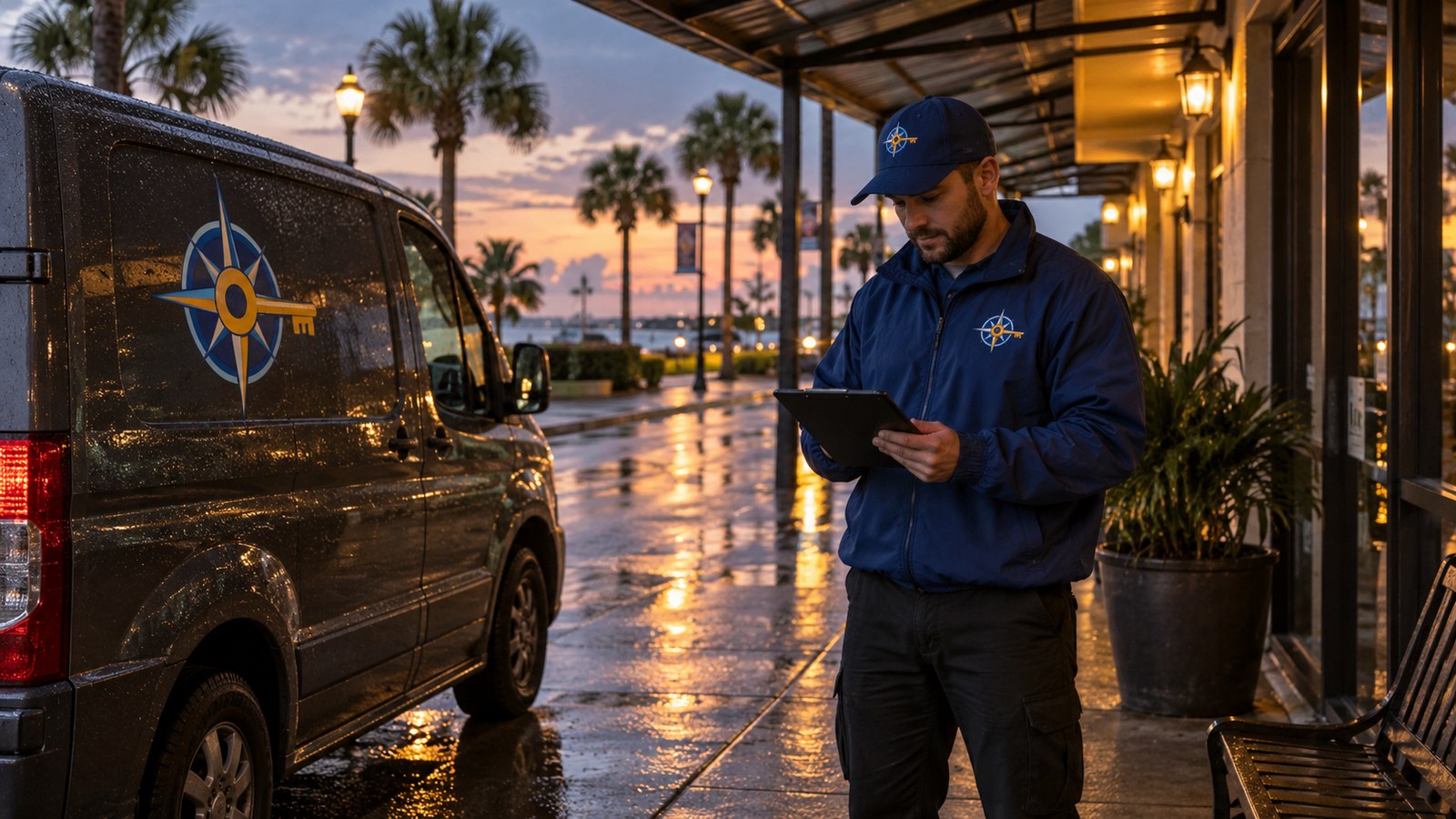
A mobile locksmith is built around the problem of getting people in and moving. The work is key cutting, programming, lock opening and repair across many brands, done where the customer is. The technician carries tools and blanks in a vehicle and handles whatever the day brings. Breadth and mobility are the strengths here, while access to some manufacturer only systems is not.
These differences explain why both still exist. They are not rivals in the way people sometimes imagine. They solve overlapping problems in different ways, with different strengths. A good decision begins by knowing what each can do well, and being honest about when a job belongs on one side or the other.
Most owners will use one or both at some point in the life of a car. A first key made at purchase usually comes from the dealer. A lost key on a Saturday evening in a parking lot is the kind of problem a mobile technician exists for. Knowing the roles ahead of time removes the stress of choosing under pressure.
What dealers do well
Dealers are strongest where manufacturer information matters. Some vehicles, especially newer ones, tie keys to protected data that only the maker releases. A dealer can request or access that data through official channels and can handle keys that are tightly controlled. For certain models, the dealer is simply the most direct path to a working key.
They also keep the full service history. If your question involves recalls, manufacturer coverage repairs or software updates tied to the key system, the dealer is the place that sees the whole picture. This is helpful when a key problem is really a symptom of a wider issue in the car, such as a fault in a control module that needs a manufacturer fix.
Another benefit is consistency. A dealer works on one brand all day, so the staff recognize common patterns and use manufacturer procedures. If the vehicle is new, covered by the maker's terms, or unusual in design, starting at the dealer can prevent complications. Many owners feel reassured by that, and the feeling is not unreasonable.
The tradeoff is convenience. A dealer works from a fixed location and set hours, and a car that cannot start usually has to be towed or transported there. Parts or keys may need to be ordered, which takes time. For someone stranded or short on time, the distance and the wait can matter more than the brand expertise.
What mobile locksmiths do well
The main strength of a locksmith is that the work comes to you. If you are locked out in a parking lot, stranded at a trailhead or standing in your driveway with a dead key, a technician can visit the vehicle instead of the vehicle going anywhere. That removes the tow and often shortens the whole job.
Locksmiths also work across many makes. The tools, key blanks and programming equipment are chosen to cover a wide range of vehicles, and the technician learns from seeing many cars each week. For common and moderately complex systems, this can mean a quick and well tested result without a trip anywhere. Cutting a blade on site is routine work for an experienced hand.
Another strength is flexibility. A locksmith can handle the door, the ignition, the trunk, the spare key and sometimes a broken key stuck in a lock, all in one visit. The same person can also advise on home or business locks. That breadth is useful for owners who would rather deal with one trusted contact than juggle several.
The tradeoff is that a mobile visit cannot do everything. Some vehicles need manufacturer data or equipment a van cannot carry, and some faults are better handled in a shop. A responsible locksmith says so openly. We would rather tell you a job belongs elsewhere than start work we cannot finish.

Key types that tend to favor each route
Simple mechanical keys and many older chip keys are well within the reach of a mobile technician. They can be cut and, where needed, programmed on site with common equipment. For these, the convenience of a visit usually outweighs any benefit from the dealer, and many owners find the process quick and tidy.
Remote head keys and flip keys are also common mobile jobs. These combine a blade, a chip and buttons, and many can be cloned or added to the car with the right tool. Success depends on the vehicle and on whether a working key already exists. We explain this on the phone, so you know what is likely before anyone leaves.
Smart keys and push button systems are more variable. Some can be handled by a mobile technician, and others need manufacturer procedures that point toward the dealer. The more recent and locked down the system, the more likely the dealer is the practical choice. Honest advice here is more useful than an optimistic promise.
Specialty and high security keys are a case of their own. Some come with restricted blanks and special authorization. The route may involve the maker, the dealer or a specialist with the right access. If your key is of this kind, tell us the vehicle and we will say plainly whether a mobile visit is realistic.
Timing and the situation you are in
The situation often decides the route more than the key itself. If you are at home with a spare key and a little time, the dealer may be perfectly sensible, especially if you are happy to schedule an appointment. If you are stranded away from home or need the car for work soon, a mobile visit may suit better.
Availability varies, so call to confirm. Neither a dealer nor a locksmith can honestly promise a time without knowing the details. When you call us, we ask about the vehicle, the location and what happened, then explain what is possible. We do not guess about arrival, and we do not rush you into a decision on the first call.
Think about what else is going on. Is the car drivable once a key is made? Is a tow likely needed anyway because of another fault? Is the vehicle recently purchased and under the maker's terms? These questions affect the best route, and they are easy to answer calmly when you are not standing in the rain.
If you are traveling, the choice may also depend on where you are. A visitor far from home often has no local dealer for the brand nearby, and a mobile technician may be the only practical option. Ask honestly about both, and choose the path that gets you moving safely.
Cost, quotes and what to ask
People often assume one route is always cheaper, but that is not reliably true. The cost depends on the key type, the vehicle, the work involved and the time of day. Because circumstances vary, any honest provider should explain what they will do before starting. We give quotes by phone for straightforward jobs, and we do not quote numbers in writing on this website.
When you call any provider, ask clear questions. What will you do? What do you need from me? Is the service call charge separate? What if the job turns out to be more complicated? A clear answer is a good sign. A vague answer or pressure to decide quickly is not. Compare how people explain things, not only what they say.
For complicated jobs, a technician visits and the service call charge is explained before dispatch. This means you know what to expect before anyone arrives. If the technician finds something that changes the plan, they explain it and wait for your decision. You should never feel cornered into accepting work you did not understand.
Whichever route you choose, keep the receipt and the details of the work, and ask how many keys now work. If you have a question about maker coverage, check the official terms yourself, since we do not make promises on behalf of anyone else. Good records help later if anything needs to be adjusted.
Ownership checks apply to everyone
A reputable dealer and a reputable locksmith will both ask for proof that you own the vehicle or have the right to work on it. That might be a registration, a title, a lease document or a signed authorization from the owner, along with photo ID. The check can feel formal, but it protects you from someone else getting a key to your car.
We follow the same principle. Before opening a vehicle, programming a key or removing an old key from memory, we check ownership or authority. If the paperwork is not available at the moment, we explain what can be done. Sometimes the answer is to wait until it is, and that is the right answer, not an obstacle.
This matters especially for used cars, shared vehicles, fleet vehicles and cars owned by family members. If you are not the registered owner but have permission, bring documentation that shows it. A short letter or a phone call from the owner can sometimes help. Having it ready saves time for everyone.
We also decline work that does not look legitimate. If a story does not add up, or the person cannot show any connection to the vehicle, we will not proceed. This protects the public as well as our own standards, and we think most honest owners appreciate that kind of care.
When both are involved
Sometimes the best answer uses both. A dealer may supply a key code or a blank for a specialized system, and a locksmith may cut and program it on site. Or a locksmith may diagnose that the problem lies in a module and send the owner to the dealer with clear information. Cooperation between the two serves the customer better than rivalry.
If you start with one and then need the other, share what has been done so far. Bring the old key, the part or any paperwork. A clear record of what was tried prevents repeated work. We are happy to explain what we found if you need to continue elsewhere, because getting you moving matters more than keeping the job.
Do not be surprised if a technician recommends a second opinion. It usually means the case is unusual, not that the first provider was wrong. Vehicles vary, and a technician who knows when to stop is more useful than one who forces a job. Honest limits are a sign of care.
Over time, many owners develop a simple routine: dealer for the first key and any manufacturer coverage questions, a locksmith for spares, emergencies and convenience. That is a sensible split, and it works well because each side does what it is built to do.
Making the choice calmly
Start by gathering the basics: the vehicle make and general year, how many keys you have, what happened and where the car is now. With these facts you can call either option and get a meaningful answer. Without them, every answer is a guess. Take a photo of the dashboard or the key if that helps.
Next, decide what matters most. If you need the car moving soon and it is parked somewhere inconvenient, a mobile visit may fit best. If the vehicle is new or has an unusual system, the dealer may be the more practical route. If you are unsure, call us and describe it. We will give an honest view, even if it means pointing you elsewhere.
Whatever you choose, make a spare once the problem is solved. A single key is a standing risk, and a spare is far easier to arrange when the first key still works. Store it away from the car, test it, and keep your ownership papers in a safe place so the next call, if it ever comes, is simple.
Finally, remember that no one route is right for everyone. The goal is a working key, a safe vehicle and a clear conversation. Call us to confirm availability, tell us what you have, and we will explain what we can do and what we cannot. Quotes are given by phone, and we explain any service call charge before dispatch.
Questions worth asking before you commit
Before you hand a vehicle or a job to anyone, ask what the process looks like from start to finish. Will the key be cut, programmed and tested, or only cut? Will every function of the remote be checked? Will the old key be removed from the car's memory if it was lost? Clear answers show that the provider understands the work and respects your time.
Ask how many keys will work when the job ends, and whether any existing keys might stop working. Some systems behave unexpectedly when a new key is added, and a careful provider tests all of them. It is much better to hear this at the start than to find a dead spare in a drawer months later.
Ask what happens if the job cannot be completed as planned. A good answer explains the options, such as stopping, trying a different approach or referring you elsewhere, and tells you how any service call charge would be handled. A poor answer avoids the question or promises that everything will certainly work, which no honest person can say without seeing the car.
Finally, ask what you should do to prepare. Documents, keys, access to the vehicle and a clear location all make the visit smoother. If a provider cannot tell you what they need from you, that is worth noticing. We are glad to explain on the phone, so you arrive at the visit already knowing the steps.
Local context for Pensacola drivers
Pensacola has a mix of long term residents, military families, students, workers and visitors, and each group meets key problems differently. A family with a second car and an open weekend can schedule dealer work easily. A sailor on a short assignment or a visitor in town for a few days may have much less flexibility and prefer a visit to wherever the car is parked.
The Gulf Coast climate also shapes the picture. Heat, humidity and salt air wear out fobs and batteries faster than many owners expect, so failures cluster around beach days and summer afternoons. When a fob dies in a crowded lot near the water, a mobile visit often makes the most practical sense, while a planned replacement can happen anywhere.
Hurricane season adds its own planning. If you must evacuate, you may not have time to visit a dealer or arrange a replacement beforehand. Keeping a tested spare and your ownership papers in a dry bag with your other important documents makes any later key work simpler, whichever route you choose.
Whatever your situation, the same principle holds. Know what you have, keep a spare, and talk to someone honest about the options. Call us to confirm availability, describe your vehicle and where you are, and we will explain how a mobile visit might fit and when another route would be better.
Quick answers
Is the dealer always the safer choice for a new key?
Not always. For some newer or tightly controlled systems the dealer is the practical route, but many common keys can be handled well by a mobile technician. The best choice depends on your vehicle, your timing and where the car is. Describe it by phone and ask for an honest view.
Why would a locksmith send me to the dealer?
Some vehicles need manufacturer data or equipment that a mobile visit cannot carry. If we cannot do a job properly, we say so rather than risk damaging your car. Pointing you to the right place is part of honest service.
Do both of them check that I own the car?
Reputable providers do. Expect to show photo ID and proof such as the registration, title or lease paperwork. We check ownership or authority before opening, programming or removing keys. Bring the documents if you can.
Can I use a locksmith for a spare and the dealer for repairs?
Yes, many owners do exactly that. A locksmith can often make spares and handle emergencies, while the dealer deals with coverage questions and manufacturer repairs. Keep records of which keys exist so each provider has accurate information.
How do I find out what a mobile visit would involve?
Call us and describe the vehicle, the location and what happened. We explain what is possible and give a quote by phone for straightforward jobs. If the job is complicated, a technician visits and the service call charge is explained before dispatch.