
Why ask at all
When you are stressed and standing outside a locked door or car, it is tempting to say yes to anything. That is the moment when misunderstandings begin. A calm set of questions at the start protects you from surprises and lets the technician work with confidence. Good professionals welcome questions, because clear expectations make the job smoother for them too.
Asking does not mean distrust. It is a normal part of hiring someone to work on your property, much like asking a plumber what they plan to do. A technician who answers openly and patiently is showing you how they work. One who dodges, rushes or becomes irritated is giving you information as well.
You do not need to ask everything. Choose the questions that matter for your situation. For a simple lockout, a handful will do. For a rekey, a lock replacement or key programming, ask about parts and keys as well. Keep this page on your phone, and read from it if it helps.
A useful trick is to say the plan back to the technician in your own words. If you describe it correctly and they nod, you have a shared understanding. If you get it wrong, they will correct you, and that correction is worth far more than silence. Repeating the plan takes ten seconds and prevents most misunderstandings.
Who are you, and who sent you?
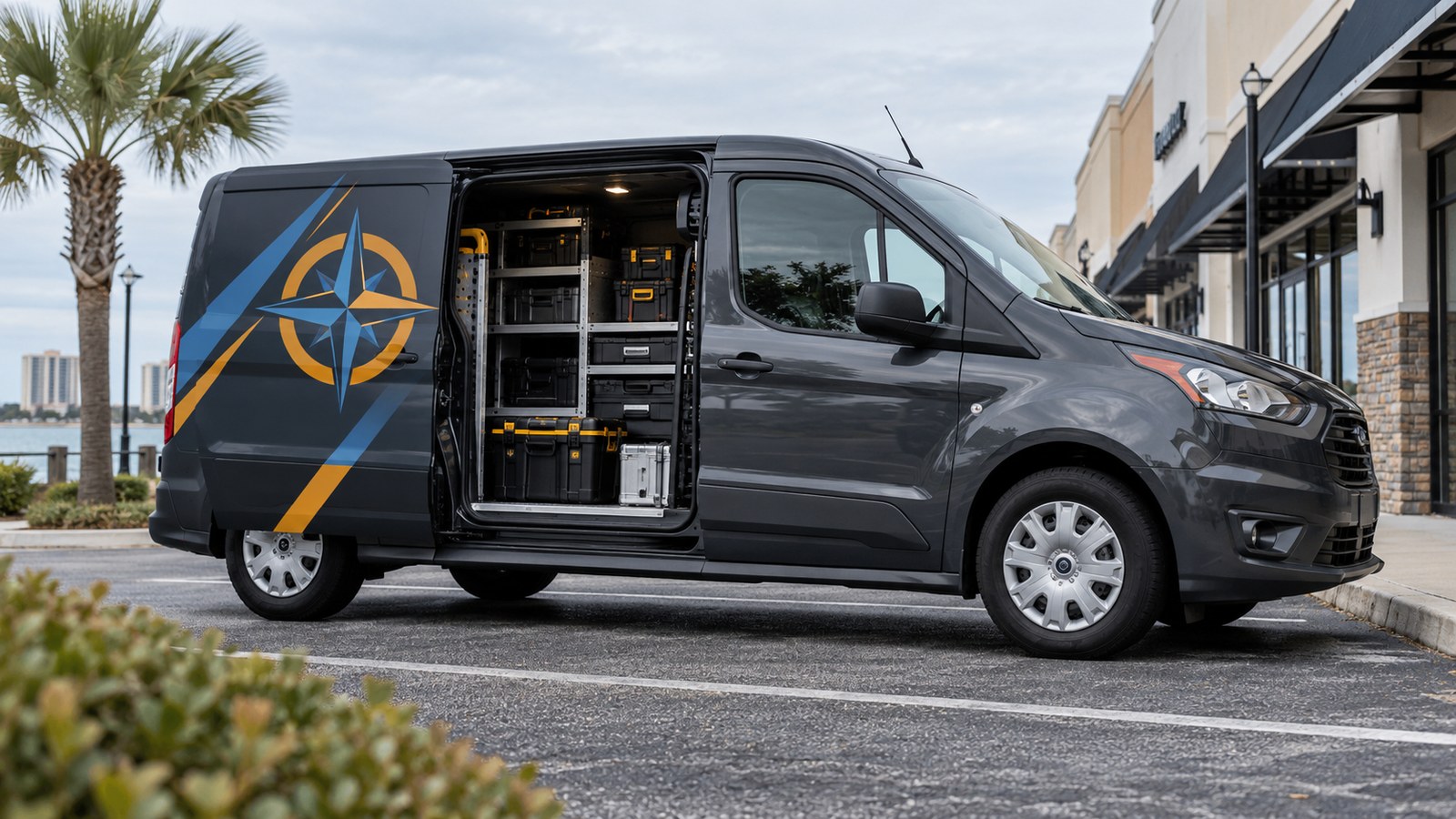
Start by confirming identity. Ask for the technician's name and the name of the business that sent them. It should match the name you were told on the phone. A branded vehicle, a badge or a uniform is a good sign, but not required, and it is fine to ask for the company name even if they have one.
If anything does not match what you were told, pause. You are entitled to call the business back, using the number you originally dialed, and confirm that this technician was dispatched. A legitimate business will not mind. Someone who pressures you to start immediately or discourages a call is someone to be careful about.
Remember that identification works both ways. The technician will ask to see yours, along with proof that the vehicle or property is yours. Ownership or authority is checked before opening, rekeying or programming. Offer your documents politely, and expect to be asked even if the technician seems friendly.
If more than one person is present, ask who is in charge and who will do the work. Sometimes a second person arrives to assist or to learn, and that is normal. You are entitled to know who is on your property, and to ask that the work be done only by the people you have been introduced to.
What exactly are you going to do?
Ask the technician to describe the plan in plain language. Will they open the lock without damage? Will they pick it, bypass it or drill it? Will they rekey, replace or repair? What parts, if any, will be used? A clear plan lets you understand the steps and judge whether they make sense.
If the approach differs from what was discussed on the phone, ask why. Sometimes a technician finds something new on arrival, such as a worn lock or a damaged door. That is acceptable if explained. What is not acceptable is a sudden change with no reason. A professional shows you what they see and explains the options.
Ask whether there is a gentler alternative if damage is a concern. Some locks can be opened in several ways, and some methods are slower but kinder to the hardware. You may not always get your preference, but you are entitled to know what the choice is and what it means.
Do not hesitate to ask for a moment to read anything you are asked to sign. A work order should state the service, the amount and the date. If a form is blank in important places, ask that it be filled in before you sign. A signature on an incomplete form is a mistake that is easy to avoid.

How will charges work?
This is the question most people forget until the end. Ask before work starts: what is the total, what does it include and what could change it? For straightforward jobs, quotes are given by phone, so the figure should match what you were told. If the job is complicated, a technician visits and the service call charge is explained before dispatch.
Ask what the figure covers. Does it include the visit, the opening, any parts, cutting keys and programming? Are there additional charges for time of day, distance or extra work? A trustworthy business explains all of this clearly and does not hide parts of the cost in vague language.
If the technician names a different figure from the one you were given, ask for an explanation, and do not feel pressured to agree on the spot. You can step back, call the business and ask for clarification. You have the right to decline before work begins. It is much easier to decide at the start than after the job is done.
Ask also how payment works. Some businesses accept several methods, and some prefer one. You should know in advance, so you are not caught without a way to pay. A receipt for any payment is reasonable, and a business that resists providing one is a business to be careful about.
Will this damage my lock, door or car?
Ask about the risk plainly. For most lockouts, the answer is that there will be no damage. For some locks, particularly old, worn or high security ones, the technician may say that the lock could be affected, and what the options are. Hearing that in advance lets you decide.
If you have already tried to force the lock or the door, say so. It changes the technician's approach and may affect the outcome. Honesty here prevents surprises later and keeps the technician from being blamed for damage that was already there. A quick photo of existing marks before work begins is a sensible habit.
If damage does occur, ask what the plan is. A good technician explains what went wrong, offers repairs and does not hide it. Take photos if you wish. The best outcome is a clean opening and a lock that works smoothly, and that is what most jobs deliver.
What happens to the old parts and the keys?
If a lock is replaced or rekeyed, ask what happens to the old hardware and the old keys. You may want the old lock back, or you may not. Old keys should stop working after a rekey, and it is worth testing that. If a key is stolen or lost, ask how the process makes sure the old one no longer works.
For car keys, ask how many keys you will receive, whether they are programmed and tested and whether any old keys can be erased. Ask whether the remote buttons work, and whether the hidden mechanical key is included. Count the keys before the technician leaves.
For house keys, ask how many copies you receive and whether extra copies can be made later. If you share keys with others, ask about restricted blanks that limit copying. Think about who needs a key and who does not, and keep a written list.
When keys are made, ask for them to be tested together, not just one at a time. A key that works alone but fails when used with the others on a ring can signal a cutting error. It is easier to correct on the spot than to discover after the technician has left.
Can you show me how it works before you go?
Never let the technician leave until you have tested the result. Turn the key in the lock several times from outside and inside. Open and close the door. For a car, start the engine, lock and unlock with the remote and the key and check all doors. Try the spare key if you have one.
If something does not feel right, say so now. A lock that sticks, a key that needs a jiggle or a remote that works only at close range should be corrected before the technician packs up. After they leave, it becomes harder to sort out whose responsibility it is.
Ask for any simple care instructions. A dry lubricant for the keyway, a note on whether to avoid heavy oil, advice on salt air if you live near the water. These small tips extend the life of the work, and a good technician is glad to share them.
Also test the inside of the door. Check that the thumbturn moves freely, that the latch catches, that the strike lines up and that the door closes without force. A lock that works on the outside but sticks on the inside is a safety issue as well as an annoyance.
What paperwork or receipt will I receive?
Ask for a clear receipt that lists the business name, the date, the work done, the parts used and the amount charged. Keep it. Anything promised aloud should appear on the paper. A receipt protects you if anything goes wrong later.
For rekeying or lock replacement, a note of what was installed can be useful for future reference. Brand, model, key type and number of keys are all worth recording. Take a photo of the new hardware. If you rent, keep the paperwork for your landlord.
If you paid in any way that leaves a record, keep it. If anything seems off about the charge afterward, call the business promptly and ask for an explanation. A reputable business answers questions and corrects mistakes.
What if something feels wrong?
Trust your instincts. If you feel pressured, uncomfortable or confused, it is fine to say, I need a moment. Step away, call a trusted person or call the business number. Ask the technician to wait while you do. A professional will understand.
If the technician refuses to explain, increases the cost sharply, insists on drilling a lock that could be opened gently or asks you to sign a blank form, stop. You can decline the work. If you feel unsafe, move to a public place and call for help. Your safety matters more than the lock.
If you believe you have been treated unfairly, write down what happened, keep your receipt and contact the business first. If that does not work, consult the consumer protection office or the police, as appropriate. Honest businesses want to hear about problems, because it is the only way to fix them.
A short list you can keep
Before work begins: Who are you and which company sent you? What will you do and how? What is the total and what does it include? Could it damage anything? What can change the price? Will you check my ownership, and what do you need to see?
While working: Can you explain what you found? Is the plan changing, and why? Can I see the part you are replacing? After work: Can I test everything? How many keys do I have? Can I have a receipt? Is there any care advice for the lock?
Those questions fit on a phone note, and they turn a stressful visit into a clear, fair exchange. When you call us, we are glad to go through them. Call to confirm availability, and we will explain how the job will go, including quotes by phone for straightforward work and a clear service call charge for complicated visits, explained before dispatch.
Extra questions for key programming and commercial work
If the job involves a car key, ask which method will be used to program it and whether the vehicle needs any special step. Ask whether the new key will be tested for starting, locking, unlocking and any remote functions. Ask what happens to the old keys, and whether you want them erased, particularly if one was lost or stolen. A clear answer here shows the technician knows the vehicle.
For commercial doors, ask whether the plan meets exit rules, since a lock that traps people inside is a danger and a liability. Ask who will receive the keys and how many. Ask whether the hardware matches the rest of the building so that a master key system, if you have one, stays consistent. A thoughtful technician will bring these points up before you do.
For rekeying several locks to one key, ask how the locks will be tested and how you will know each one is working. Ask whether a record of the key code is kept, and who can request more copies. Key control matters most for businesses and rentals, and a technician who talks about it is thinking about your long-term security.
If a lock must be replaced, ask what grade and finish the new one has, and whether it suits the door and the coastal climate. Ask whether the strike plate and screws will be upgraded. These details affect how well the lock does its job, and the answers show whether the work is careful or merely quick.
Local conditions worth mentioning to the technician
Around Pensacola, a lock lives in salty, humid air, and a good technician will take that into account. Mention if the door faces the water, sits under a leaking overhang or stays damp after storms. Ask which finishes and materials hold up best, and whether any part of the existing hardware shows corrosion. The answer shapes which lock makes sense and how long it will last.
If your home is older or historic, mention that as well. Older doors can be thinner, have unusual bores or carry hardware that is difficult to replace. Ask what the technician can do without cutting or altering the door, and whether a repair is possible before replacement. Respect for the age of the building is a sign of careful work.
If you run a rental, tell the technician how often guests change and who holds keys. Ask about rekeying to a system that is easy to reset between stays, or about keypad options with changeable codes. Technicians who handle rentals see the same problems repeatedly, and their advice can save you many future calls.
During hurricane season, ask about door and lock choices that stand up to wind pressure and swelling. A longer bolt throw, a heavy strike and sound framing all help. If a storm is approaching, ask whether anything should be done before it arrives. Local knowledge is part of good service, and a technician who works in your area should be able to offer it.
Quick answers
Is it rude to ask for the technician's identification?
No. It is a sensible step, and a professional expects it. Ask for the technician's name and the business that sent them, and confirm that they match what you were told on the phone. You can call the business back to check.
Why does the technician want to see my ID?
Ownership or authority is checked before opening, rekeying or programming anything. It protects you and your neighbors from people who would misuse a locksmith. Have your identification and proof of ownership or tenancy ready.
What if the price at the door is different from the phone quote?
Ask for an explanation and do not feel pressured to agree. For straightforward jobs, quotes are given by phone. If the job is more complicated than described, the change should be explained before work begins, and you may decline.
Should I test the lock before the technician leaves?
Yes. Turn the key several times from both sides, open and close the door, and for a car, start the engine and test the remote and the spare. If anything feels wrong, say so before the technician leaves.
Can I take photos of the work?
Yes, a quick photo of the lock before and after is a good habit, especially if you rent or if there are existing marks. Tell the technician what you are doing, and keep your receipt with the photos.