
The first minute: arrival and introductions
A technician should arrive at the address you gave and contact you if they cannot find it. They should introduce themselves by name and tell you which business they represent, matching what you were told on the phone. If the name is different, you have a right to ask why.
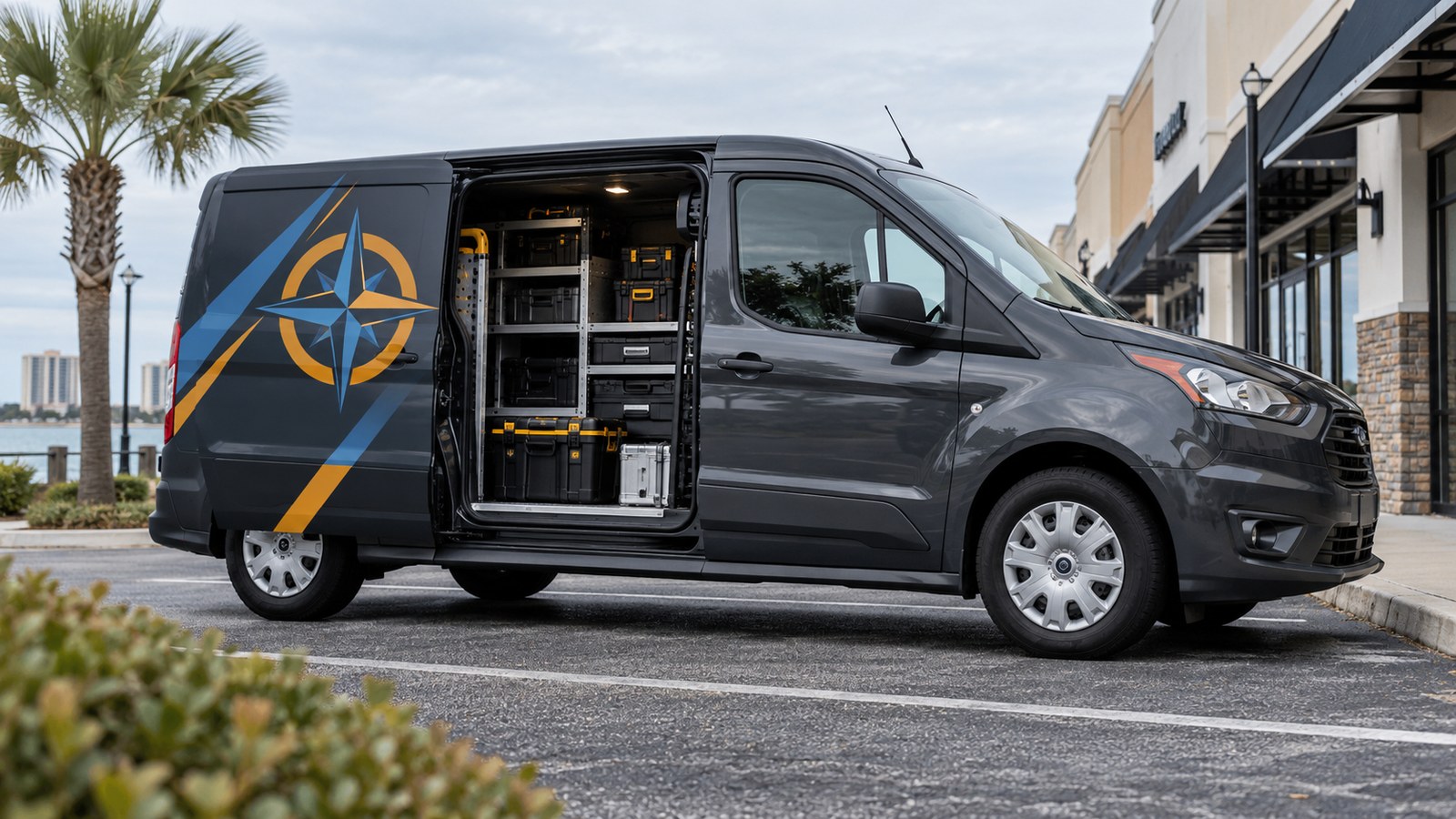
Look at the vehicle and clothing. Many technicians drive a marked vehicle or wear a shirt with the business name, though not all do, and a plain vehicle is not automatically a warning. What matters more is that the name and story match your call.
Ask for identification. A reasonable technician will show photo identification without fuss. You are about to give a stranger access to your car, home, or business, and asking who they are is sensible. Take a moment to compare the name with what you were told.
If anything feels wrong at this point, you can decline and send the technician away. It is better to deal with an awkward conversation now than to start work you are uneasy about. Tell the business afterward so they can sort out the dispatch.
How we confirm you are entitled to the work at arrival
Before touching a lock, a responsible technician asks you to show that you own the vehicle, home, or business, or have the right to give access. For a home, that might be identification with a matching address or a utility bill. For a vehicle, registration or title with identification. For a business, identification with a lease or an owner letter.
This step surprises some people, especially when they are stressed. It can feel like being treated as a suspect. In reality it is the same protection you would want if someone else tried to get into your property. A technician who skips it is taking a risk with your security.
If you cannot show proof right away, explain. Sometimes the documents are inside the locked space. The technician may suggest options, such as showing a photo of documents on your phone, calling the owner, or getting confirmation from a landlord or property manager.
A technician may decline to proceed if the situation does not add up. For example, if the name on the registration does not match your identification and you cannot explain, or if the property appears to belong to someone else. This can be disappointing but it protects owners everywhere.
- Photo identification
- Registration or title for vehicles
- Lease, utility bill, or owner letter for homes and businesses
- A call to the owner or landlord when you act for someone else
Looking at the problem together
The technician will look at the lock, the door, or the vehicle, and ask a few questions. When did it happen? Has anything been tried? Is the key broken, lost, or just not turning? Honest answers help. If you tried to force the lock, say so, since it changes the approach.
They may test the lock gently, check the condition of the door and frame, or look at the key if you have it. This assessment confirms what you described on the phone, and it is when differences show up. A different lock type or a damaged part may change the work needed.
If everything matches the call, the technician should say so and confirm the plan. If something is different, they should explain what and why. A calm, clear explanation is a sign of a trustworthy technician, and unclear or evasive answers are a reason to pause.
You can ask what the technician sees. You do not need to understand every detail, but you are entitled to know in plain words what is wrong and what options exist. A good technician enjoys explaining.
Keep the questions simple and direct. Asking what the technician found, what the options are, and what each option involves is enough to get a useful and honest answer.
Confirming the quote before work starts
Quotes are given by phone for straightforward jobs, and the technician should confirm that the quote still applies once they see the situation. If the total will be the same, they say so. If it needs to change, they explain why before doing anything.
Changes can happen for good reasons. A lock may be a different type than described, a door may be damaged in a way that was not mentioned, or a vehicle may need a special key. The key point is that you hear about it before the work, not after.
If the job is complicated, a technician may have visited only to assess, and the service call charge was explained before dispatch. After the assessment, you receive a quote for the work itself. You can then decide whether to proceed, and what you owe for the visit is clear.
Do not feel pushed. If a change surprises you, you can ask for time, call someone else, or ask for the explanation again. A technician should respect that. Pressure to decide immediately, or a refusal to explain the numbers, are warning signs.
How the work is done
For a lockout, the technician typically tries non destructive methods first. These can include picking, using a tool to bypass the latch, or other techniques suited to the lock. The aim is to open the door without damage, though that is not always possible.
For a key problem, such as a broken key or a worn lock, the technician may extract the piece, cut a new key, or repair the lock. For a vehicle, creating a key can involve cutting the blade and programming the electronic part, which takes specialized equipment.
For rekeying or lock replacement, the technician removes the cylinder or lock, makes the changes, and reinstalls it. This is usually done on site and takes a limited time for each lock. The technician may ask you to confirm which keys you want.
The technician should explain what they are doing if you ask. You do not need to supervise every move, but you can stay nearby and see that the work matches what was discussed. If drilling or removal becomes necessary, they tell you first and explain what it means for the lock.
If something has to be drilled or replaced
Sometimes a lock cannot be opened without damage. High security locks, broken locks, and certain types of hardware may need to be drilled or removed. A good technician tells you this before proceeding, explains why, and describes what replacement will be needed.
Drilling destroys the lock, so a replacement lock must be installed. The technician should offer options if there are any, such as a basic replacement or a higher grade, and tell you how each affects the total. You decide which fits your needs.
Damage to a door or frame is a risk when entry is difficult. The technician should tell you if that is likely and what repair might be needed. It is useful to know whether you can repair it yourself, or whether they can do it as well.
Ask whether old parts are being removed and whether you want them. Some people prefer to keep the old cylinder, while others do not. It is your property, and you have a say.
Working on vehicles
A vehicle visit usually involves checking the vehicle type and the situation: locked out with keys inside, lost keys, broken key, or a fob that no longer works. Each leads to a different job. The technician will confirm which with you before beginning.
Entry to a locked vehicle is done with tools designed to avoid damage. The technician protects the paint, the weather seals, and the door. If you see improvised tools or rough handling, speak up.
Making a key may involve cutting a mechanical blade and programming a transponder or remote. This requires equipment and sometimes information from the vehicle. The technician may need your registration and identification and may ask to see the vehicle's identification number.
After the work, test every function that was part of the job. Lock and unlock with the key and the remote, start the engine, and check that no warning lights remain. Ask for all keys to be handed over and confirm how many were made.
Working on homes and businesses
At a home, the technician will usually begin with the door that is locked and confirm that you live there. They look at the type of lock, check the door, and discuss the options. If a key has been lost, they may suggest rekeying so that the lost key stops working.
At a business, the technician will want to know who has authority and whether there is an alarm. They look at the door type, such as a storefront door or a back door with an exit device. They take care to leave the building secure when they leave.
If the door is part of a rented space, the technician may need landlord permission. Have the contact ready, or the lease. The work may need to wait until approval is given, and that is a normal part of responsible practice.
When the work is done, the technician should check that the door closes, latches, and locks properly. At a business, they should ensure the building can be locked up and that you have working keys before they leave.
Testing the result together
Do not let the technician leave until you have tested the result. Lock and unlock the door several times with each key. Try the key from both sides. Check the deadbolt, the latch, and the handle. For vehicles, test every function involved.
Test the spare keys. If new keys were cut, make sure each one works smoothly. A key that works on the first try but sticks later may be poorly cut. It is much easier to fix at the time than later.
Check for damage. Look at the door, the frame, and the surrounding area. If there is a scratch or a dent, mention it right away. Honest technicians would rather deal with it on the spot.
Ask about care. If the lock was worn, ask how long the technician expects it to work well and what you can do to look after it. Honest answers about wear are more useful than promises.
Receipts and payment
Ask for a receipt that lists the work done, the parts used, and the total. It should match the quote, or explain any differences. Keep the receipt with your records. For a business, it is part of your maintenance file.
Pay in the way agreed. Be wary of any request for an unusual payment method or for payment before the work is complete. Ask what payment methods are accepted when you call, so there are no surprises at the door.
If the total is different from the quote and you do not understand why, ask before paying. A clear explanation should be easy to give. If it is not, say you will pay what was quoted for the work done and ask for a written explanation of any other charges.
If you have a concern about the visit later, contact the business directly and describe what happened calmly. Having a receipt, a name, and the time of the visit helps them respond.
After the technician leaves
Take a moment to think about prevention. Why did the problem happen? A lost key may call for a spare and a better habit. A worn lock may need replacing before it fails again. A badly aligned door may need adjustment.
If keys were lost, think about whether anyone else might find them. If the lost key could be tied to your address or business, rekeying makes it useless. The technician can advise, and the work can often be done at the same visit.
Update your records. For a business, note the new keys in your log and update the list of who holds them. For a home, put spares where family members know. A few minutes of tidying saves confusion later.
Keep the business details in your phone. Next time, you will know whom to call. You can call to confirm availability and ask any questions you thought of afterward.
Signs of a good visit, and signs of a bad one
A good visit has clear identification, an ownership check, a quote that matches the call, an explanation of changes before work, careful treatment of your property, testing at the end, and a receipt that makes sense. You feel informed and in control.
A bad visit may include refusal to give a name, no ownership check, a sudden change in price without explanation, pressure to decide quickly, rough handling, or a refusal to give a receipt. Any of these is reason to stop and reconsider.
If you are uncomfortable, you can stop the work and ask the technician to leave. You may owe what was agreed for the visit, but you are not obliged to go ahead with work you do not trust. Staying calm helps.
Most visits are routine and go smoothly. Knowing the steps simply makes them easier to follow. Contact us if you would like to talk through what to expect before booking, and remember that quotes are given by phone, with the service call charge explained before dispatch for complicated jobs.
Visits that involve weather, safety, or special circumstances
Pensacola weather can change a visit. Rain, wind, and heat affect how technicians work and how comfortable you are while waiting. If the weather is bad, say so on the call, and consider whether a covered place is available. Technicians protect electronics and locks from rain during the work.
If the visit is at night, make sure the area is lit and that you are not alone if that worries you. A neighbor or friend nearby is reasonable. A technician understands why you might want company and should not object.
If there are children or pets, keep them safe and out of the way during the work. Tools and parts are small, and doors that are open or being worked on can be a hazard. A moment of planning helps everyone.
If you suspect a break in, do not enter and do not disturb the scene. Call the police first, and let them tell you when it is appropriate to have a locksmith secure the door. A locksmith can then repair or replace what was damaged.
Quick answers
Should the technician show identification?
Yes, a reasonable technician shows photo identification and tells you the business name when asked. You are allowing a stranger access to your property, so asking is sensible. If the name differs from what you were told on the phone, ask why before work begins.
Why am I asked to prove ownership?
A technician checks ownership or authority before opening, rekeying, or programming, to protect you and others from unauthorized entry. Identification plus registration, a lease, a utility bill, or an owner letter is usually enough. Tell the dispatcher what you have beforehand.
What if the price changes when the technician arrives?
A change should be explained before work starts, along with the reason, such as a different lock type or damage not mentioned earlier. You can ask for time, ask again, or decline. Pressure to decide immediately is a warning sign.
Will opening the lock damage my door?
Often not, since technicians try non destructive methods first. Some locks need drilling or removal, and the technician should tell you before doing it and explain the effect on cost. Mention any earlier attempts to force the lock.
What should I test before the technician leaves?
Test every key several times from both sides, check the latch and deadbolt, and look at the door for damage. For vehicles, test locking, unlocking, the remote, and starting. Ask for a receipt that lists the work and total.